What Backflow Is And Why Plumbing Testing Is Important
People searching for backflow testing are typically looking to ensure their water supply remains safe by having local contractors check for potential backflow issues and prevent contamination.
If you’re a property owner in the area, understanding what backflow is and why plumbing testing is important can help protect your water supply and ensure everything functions smoothly. Backflow occurs when contaminated water flows backward into the clean water supply, potentially introducing harmful substances into your home or business. Regular plumbing testing by experienced service providers can identify issues early, preventing costly repairs and safeguarding your health. Whether you’re managing a residential property or a commercial space, being informed about backflow helps you make smarter decisions about maintaining your plumbing system.
Local contractors specializing in backflow testing offer essential services that keep your water safe and your plumbing system compliant with local standards. These professionals use specialized techniques to check for backflow risks and ensure your system is working correctly. Staying proactive with routine testing can help you avoid unexpected problems and maintain peace of mind. Keep reading to learn more about what backflow is and why regular plumbing testing is a practical step for property owners committed to protecting their water quality and infrastructure.
- Backflow testing - homeowners may need this service to ensure their drinking water remains uncontaminated, with local contractors performing thorough inspections.
- Plumbing system assessment - property owners concerned about cross-connections can rely on local service providers to evaluate and identify potential backflow issues.
- Backflow prevention device installation - new installations are often required in commercial or residential properties, with local pros ensuring proper setup to prevent contamination.
- Backflow device maintenance - routine testing and maintenance help keep backflow preventers functioning correctly, with local contractors providing scheduled service.
- Leak detection and repair - if backflow testing reveals leaks or malfunctions, local plumbing experts can identify and fix issues to protect water quality.
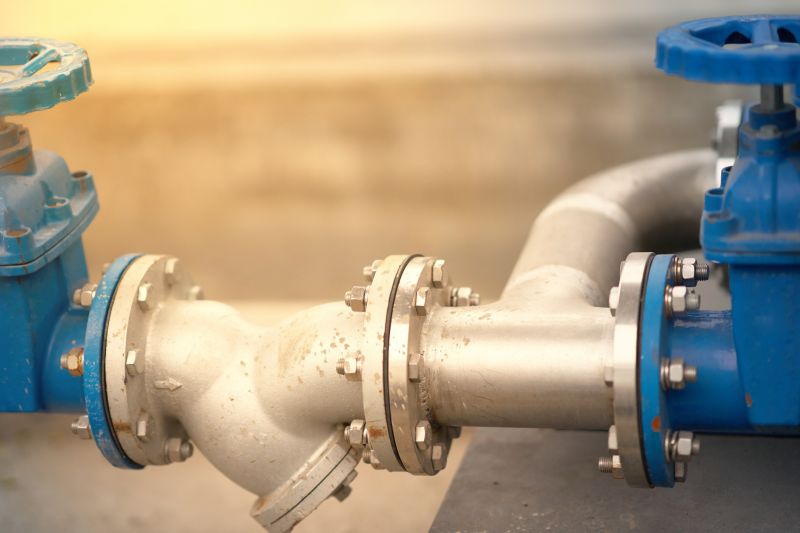
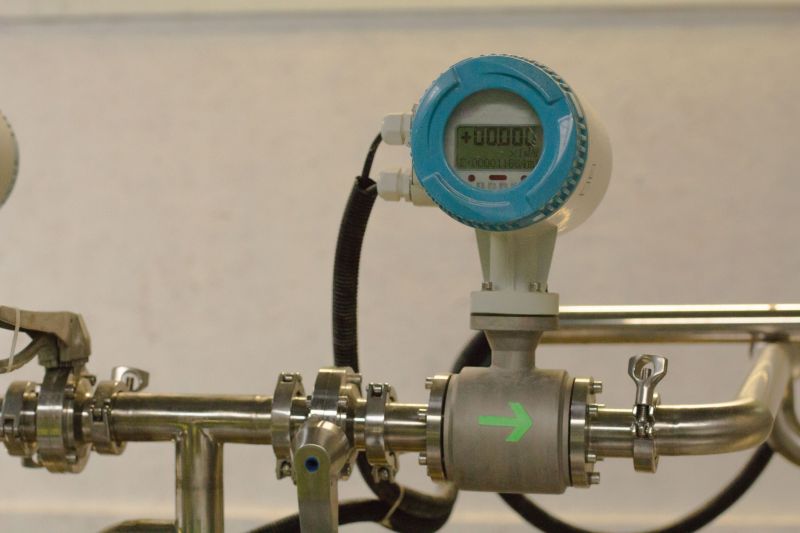
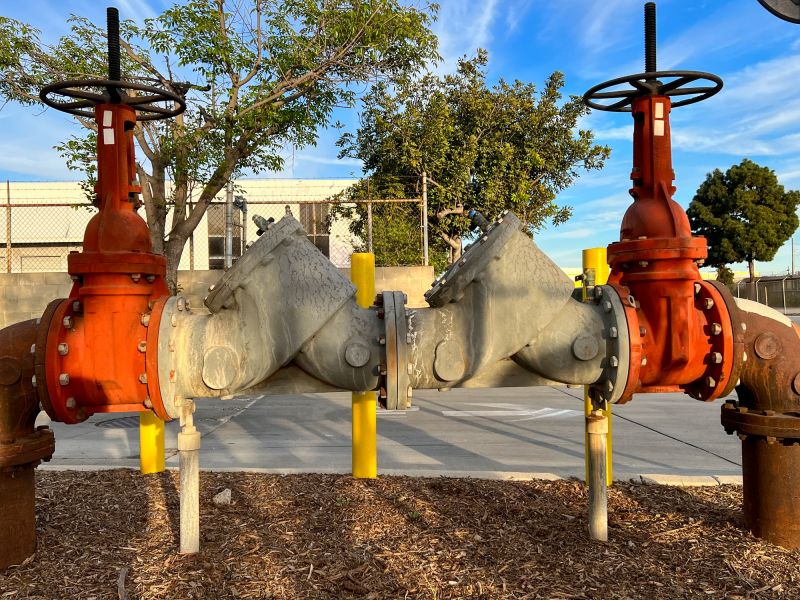
Understanding what backflow is and why plumbing testing is important helps homeowners grasp a crucial aspect of maintaining safe and reliable water systems. Backflow occurs when contaminated water flows backward into the clean water supply, potentially introducing pollutants or harmful bacteria. This reverse flow can happen due to pressure changes in the plumbing system, such as during heavy water usage or repairs. Plumbing testing for backflow is a process that checks whether backflow prevention devices are functioning correctly, ensuring that the potable water remains uncontaminated. When searching for information on this topic, many people are usually concerned about protecting their household water supply from potential health hazards or ensuring compliance with local plumbing codes.
The issues related to backflow and plumbing testing often involve the prevention of cross-connections-points where potable water lines are connected to non-potable sources like irrigation systems, fire suppression systems, or industrial equipment. Problems can arise if backflow prevention devices fail or are not properly maintained, leading to possible contamination of drinking water. Homeowners planning renovations, installing new irrigation systems, or dealing with aging plumbing may find themselves needing backflow testing to verify that their systems are safe. Additionally, properties that are subject to local regulations often require regular testing to ensure ongoing compliance and to avoid potential penalties or health risks.
Certain types of properties are more likely to encounter backflow concerns, including single-family homes, multi-unit residential buildings, commercial facilities, and industrial sites. Homes with sprinkler systems, wells, or private water supplies are particularly vulnerable if backflow prevention measures are not in place or have deteriorated over time. Commercial properties like restaurants, grocery stores, or manufacturing facilities often have complex plumbing systems that require frequent testing to prevent contamination. For property owners, understanding the importance of backflow testing and working with experienced service providers can help maintain a safe water supply, avoid costly repairs, and meet local regulations.
Local service providers specializing in backflow testing play a vital role in helping property owners manage this aspect of plumbing maintenance. These professionals are equipped to perform thorough inspections, identify potential issues with backflow prevention devices, and recommend necessary repairs or replacements. By connecting with trusted local contractors, homeowners and businesses can ensure their plumbing systems are properly tested and maintained, reducing the risk of water contamination and ensuring ongoing compliance with safety standards. Proper backflow testing is an essential part of responsible property management, and working with experienced local pros can make the process straightforward and reliable.
Backflow Prevention Installation - professionals who install backflow prevention devices also have skills relevant to plumbing testing and ensuring water safety in various systems.
Water Line Inspection Services - these projects involve checking for leaks and blockages that can impact backflow conditions, requiring similar testing tools and planning.
Sewer Line Repair and Maintenance - repairing sewer lines involves understanding water flow and pressure, which relates to the principles behind backflow prevention and testing.
Water Pressure Testing - testing water pressure in plumbing systems helps identify issues that could lead to backflow problems, making it a related skill set for local contractors.
Cross-Connection Control Programs - managing cross-connections between potable and non-potable water sources involves testing and planning similar to backflow testing services.
Leak Detection and Repair - locating and fixing leaks requires knowledge of water flow dynamics, which is essential for understanding backflow risks and testing procedures.
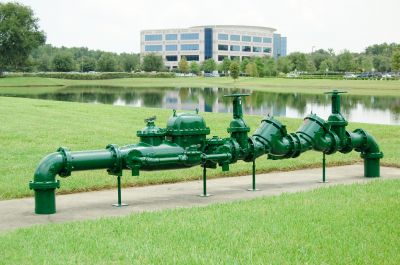
When comparing service providers for backflow testing, it’s important to consider their experience with similar projects. A contractor who has handled backflow prevention and plumbing testing in residential settings will be more familiar with the specific requirements and potential challenges involved. This experience can help ensure that the testing is thorough and accurate, reducing the likelihood of issues down the line. Homeowners should inquire about the types of properties the contractor has worked on and whether they have a solid track record of completing backflow testing jobs effectively.
Clear written expectations are essential when choosing a plumbing testing service. Reputable local contractors should be able to provide detailed information about what their testing process involves, what homeowners can expect during the service, and any follow-up steps that might be necessary. Having this clarity helps prevent misunderstandings and ensures that everyone is on the same page regarding the scope of work. Homeowners should look for providers who are transparent about their methods and willing to explain their approach in plain language.
Reputable references and good communication are key factors in selecting a reliable backflow testing provider. Service providers with positive references from previous clients are often a sign of consistent quality and professionalism. Additionally, clear and prompt communication during the inquiry process can indicate how well they will coordinate and respond to questions throughout the project. When comparing local contractors, it’s beneficial to seek out those who demonstrate professionalism, responsiveness, and a willingness to answer questions-factors that contribute to a smooth and trustworthy experience.
Property owners often search for what backflow is and why plumbing testing is important when they are planning practical projects around their homes and businesses. Local pros provide Backflow Testing services for everyday jobs and straightforward project options.
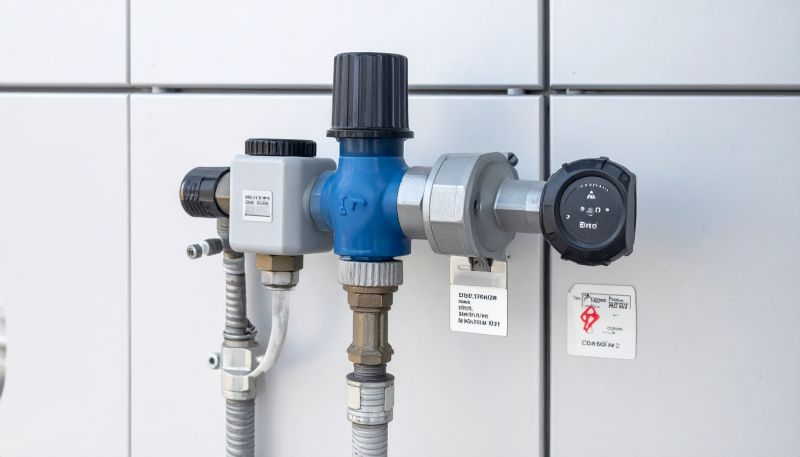
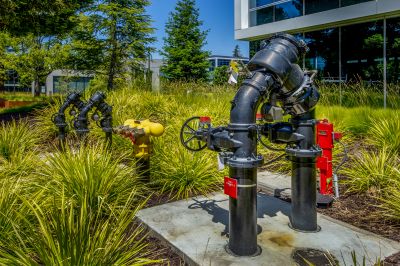
Understanding what backflow is and why plumbing testing is important can help property owners ensure their water systems remain safe and functional. Backflow occurs when contaminated water flows backward into the clean water supply, potentially introducing pollutants or bacteria. This situation can happen due to pressure changes in the plumbing system, which might be caused by heavy rainfall, nearby construction, or other water use activities. For homeowners and business owners alike, regular plumbing testing by local contractors can identify issues before they develop into more serious problems, helping to protect the health of everyone relying on the water supply.
Many property owners in the area look into backflow testing services to prevent costly repairs and safeguard their water quality. Local service providers can perform thorough inspections to detect any signs of backflow risk or existing issues within the plumbing system. Routine testing ensures that backflow prevention devices are working correctly and helps keep the water supply safe from contamination. By working with experienced local contractors, property owners can maintain the integrity of their plumbing systems and address potential problems early, avoiding disruptions and ensuring peace of mind.
What is backflow in plumbing? Backflow occurs when contaminated water flows backward into the clean water supply, potentially causing health hazards. Plumbing testing by local contractors helps identify and prevent backflow issues before they become serious problems.
Why is backflow testing important? Backflow testing ensures that backflow prevention devices are functioning correctly, protecting water quality and safety. Regular testing by local service providers helps maintain a safe and reliable water system.
How do local plumbing contractors test for backflow? They perform specialized inspections and tests on backflow prevention devices to ensure they are working properly. This process helps detect any failures that could lead to contamination of the water supply.
What are the risks of not testing for backflow? Failing to test for backflow can result in contaminated water entering the drinking supply, which may pose health risks and violate local water safety regulations. Regular testing by experienced contractors helps mitigate these risks.
How often should backflow testing be performed? The recommended frequency varies by location and system type, but most areas require annual testing. Local service providers can advise on the appropriate testing schedule to keep systems compliant and safe.
Understanding backflow prevention - property owners can learn how backflow issues might affect their water supply and seek testing services to ensure proper system function.
Scheduling regular plumbing tests - homeowners can plan routine backflow testing with local contractors to identify potential problems early.
Installing backflow prevention devices - property owners can work with local pros to install or upgrade devices that protect their water systems from contamination.
Recognizing signs of backflow problems - residents can stay alert to unusual water tastes or odors and get testing services to confirm system integrity.
If you are thinking about what backflow is and why plumbing testing is important for a property, this guide is meant to help you understand this topic, the typical project types, and how different options might fit your plans.
When you are ready, you can use the quote form on this page to share a few details about your project. From there, local pros can review the basics and follow up with options that match what you have in mind.